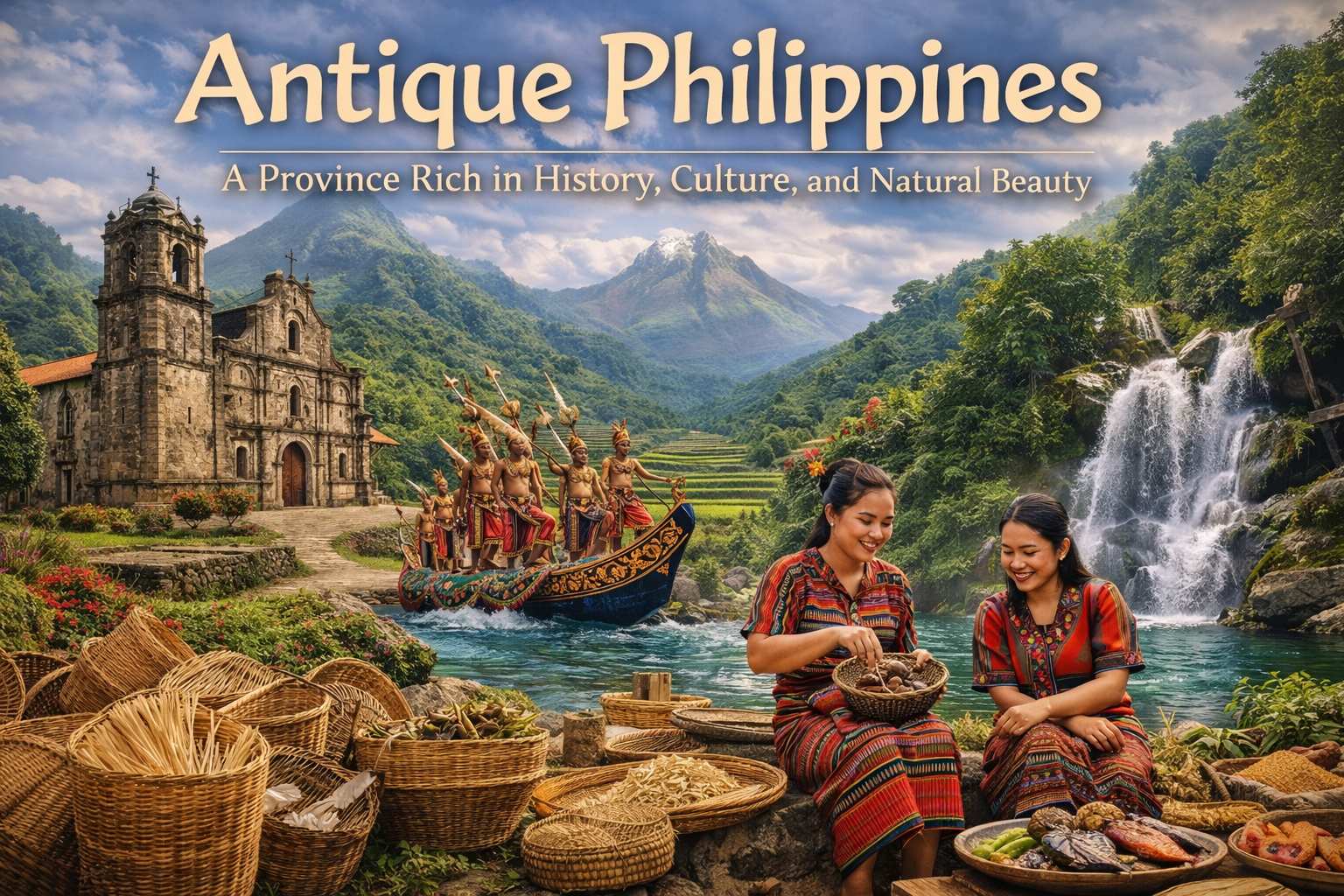
Located on the western side of Panay Island, Antique is one of the most culturally rich and naturally beautiful provinces in the Philippines. Often described as a quiet destination compared to other tourist hotspots, Antique offers visitors a deep connection to history, tradition, and nature. From centuries-old traditions to breathtaking landscapes, the province presents a unique glimpse into the heart of Filipino heritage.
Despite its peaceful reputation, Antique has played an important role in the country’s history. The province is filled with stories of early settlers, indigenous communities, and historical events that shaped the identity of the region. Today, Antique continues to preserve its traditions while welcoming travelers who seek authentic cultural experiences.
The Historical Roots of Antique
The history of Antique goes back long before colonial times. According to local legends, the name of the province came from the word “Hantik,” which referred to large ants once found in the area. Over time, the name evolved into “Antique.”
Early settlements were established along the rivers and coastal areas, where communities developed trade, agriculture, and fishing. Indigenous groups lived in harmony with nature and created strong social traditions that remain influential today.
When Spanish explorers arrived in the 16th century, Antique became part of the colonial administration. Churches, towns, and trade routes were developed during this time. Although colonial influence changed many aspects of local life, the people of Antique managed to maintain many of their traditional customs and cultural practices.
A Province Surrounded by Natural Wonders
Antique is known for its stunning natural landscapes. The province is bordered by the Sulu Sea on one side and rugged mountain ranges on the other, creating a diverse environment filled with forests, rivers, and beaches.
One of the most famous natural attractions in Antique is Mount Madja-as, a towering mountain that is deeply connected to local folklore and legends. The mountain is believed to be the home of ancient spirits and mythical beings in traditional stories.
Visitors also enjoy exploring waterfalls, hot springs, and scenic coastal areas throughout the province. These natural wonders provide opportunities for hiking, swimming, and experiencing the peaceful beauty of the countryside.
Unlike crowded tourist destinations, Antique offers a more relaxed atmosphere where travelers can enjoy nature without large crowds.
Cultural Traditions and Festivals
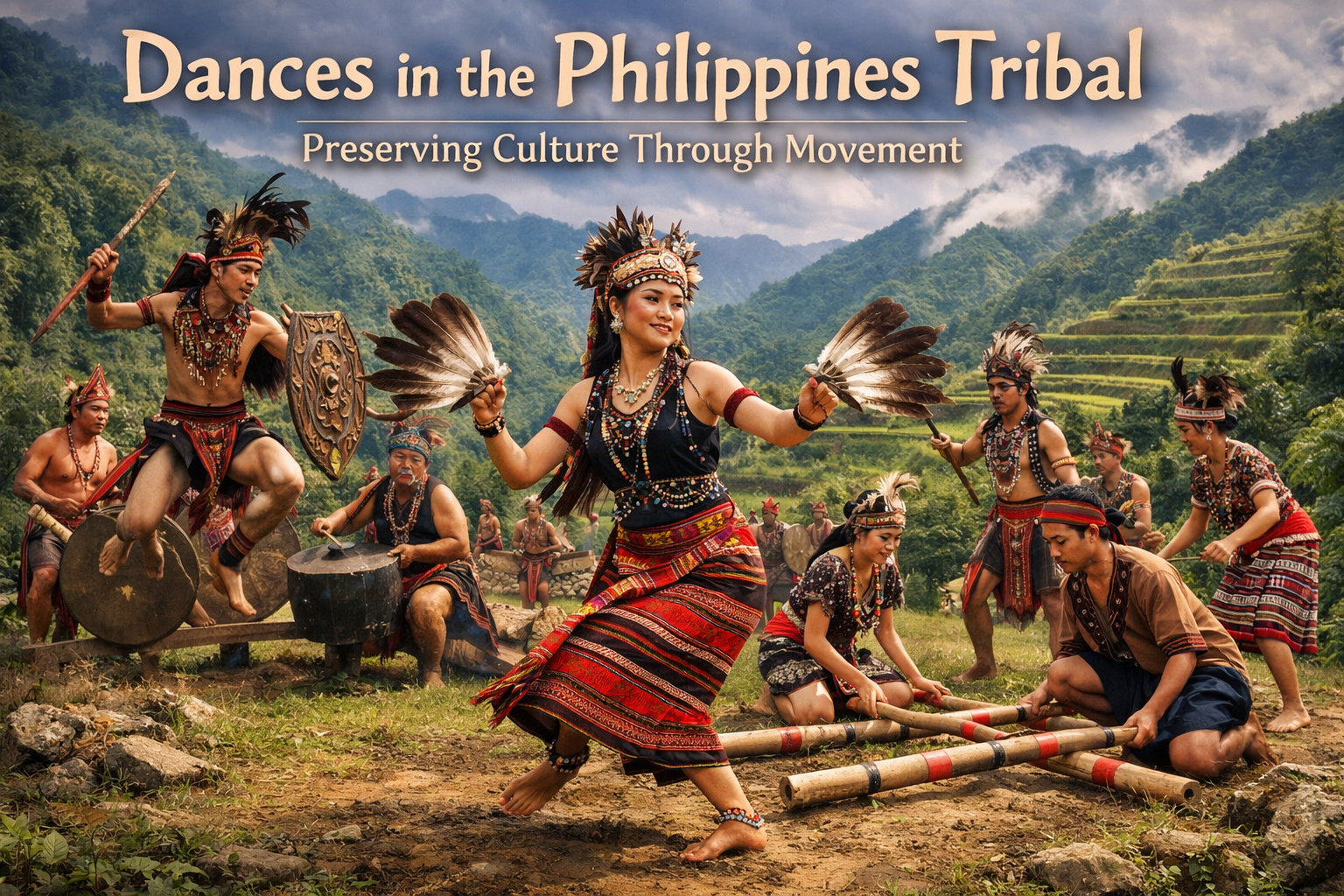
Culture plays an important role in daily life in Antique. Many traditions have been preserved for generations, especially through music, dance, and community celebrations.
One of the most well-known cultural events in the province is the Binirayan Festival. This festival celebrates the legendary arrival of early Malay settlers who escaped tyranny and founded peaceful communities in Panay Island. During the festival, locals perform traditional dances, historical reenactments, and colorful parades that highlight their cultural identity.
Traditional crafts are also an important part of Antique’s culture. Many communities produce handwoven textiles, bamboo crafts, and handmade products that reflect the artistic skills of local artisans.
These cultural traditions help maintain a strong sense of identity among the people of Antique.
Local Food and Culinary Heritage
The food of Antique reflects the natural resources of the province. Fresh seafood, rice, vegetables, and tropical fruits are commonly used in local cooking.
Traditional dishes often combine simple ingredients with rich flavors. Meals are usually prepared using family recipes passed down through generations.
Local markets and small restaurants provide visitors with the opportunity to taste authentic provincial cooking. Eating in Antique is not just about food—it is also about experiencing the warmth and hospitality of the community.
Many visitors find that the simplicity of the food reflects the peaceful lifestyle of the province.
Life in Antique Today
While Antique remains strongly connected to its traditions, the province is also gradually developing. Improvements in infrastructure, tourism, and education are helping local communities grow while maintaining their cultural identity.
Tourism in Antique focuses mainly on eco-tourism and cultural experiences. Visitors are encouraged to explore natural attractions, learn about local traditions, and support community businesses.
Small towns throughout the province continue to maintain a relaxed and welcoming atmosphere. Unlike busy urban centers, daily life in Antique moves at a slower pace, allowing people to appreciate their surroundings and maintain strong family and community relationships.
This balance between tradition and progress makes Antique a unique place in the Philippines.
The Importance of Preserving Heritage
As modernization spreads across many parts of the world, preserving cultural heritage becomes increasingly important. In Antique, efforts are being made to protect historical sites, traditional crafts, and local customs.
Schools, cultural organizations, and local leaders are working together to ensure that younger generations learn about their history and traditions. Festivals, educational programs, and cultural events help keep these traditions alive.
Protecting heritage not only strengthens cultural identity but also helps attract responsible tourism that benefits local communities.
Conclusion
Antique Philippines is a province where history, culture, and nature come together in harmony. From its ancient legends and colonial past to its vibrant festivals and peaceful landscapes, the region offers a rich and meaningful experience for anyone who visits.
Although it may not always receive the same attention as larger tourist destinations, Antique holds a special charm that reflects the true spirit of the Philippines. Its people, traditions, and natural beauty continue to make it a place worth discovering and preserving for generations to come.