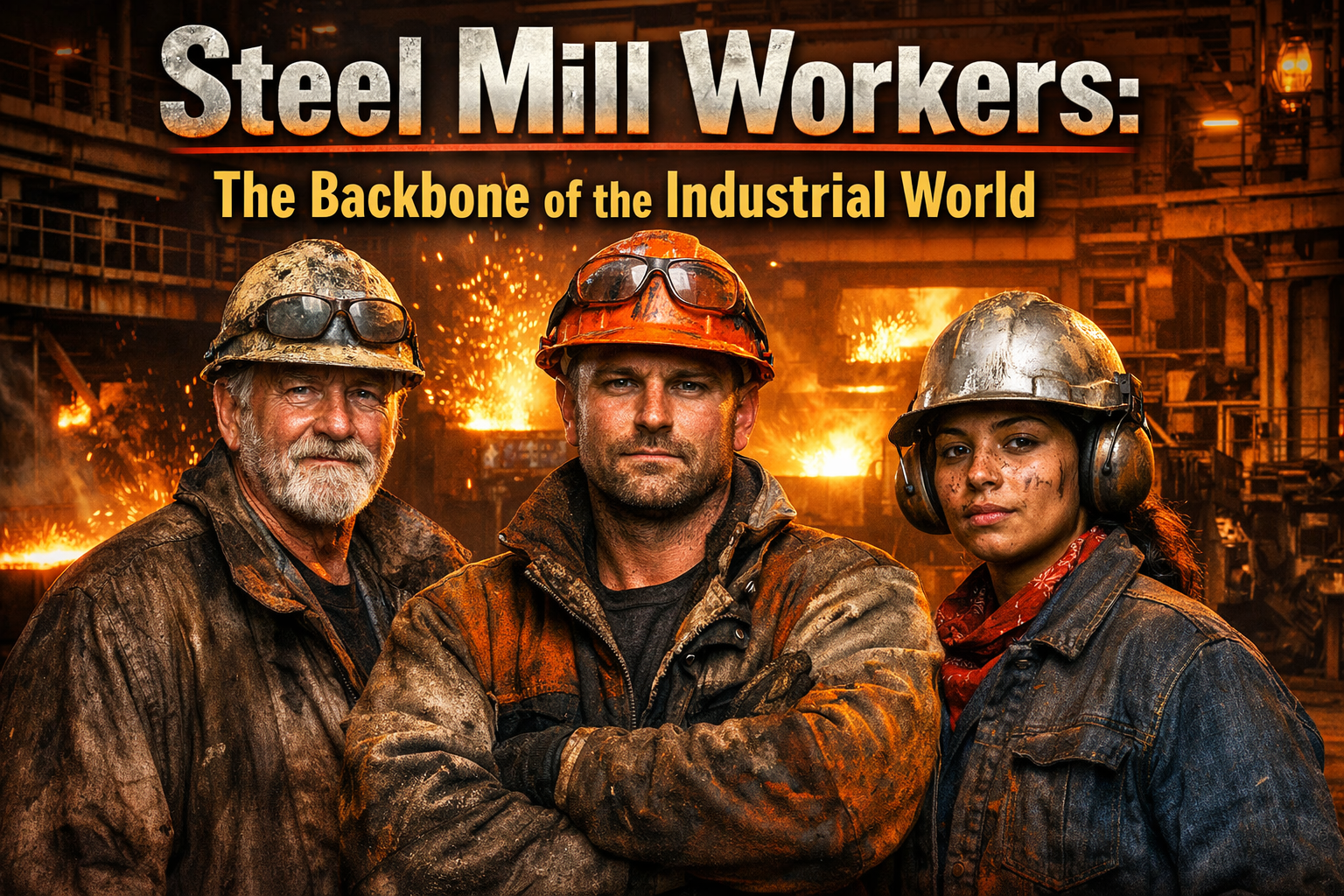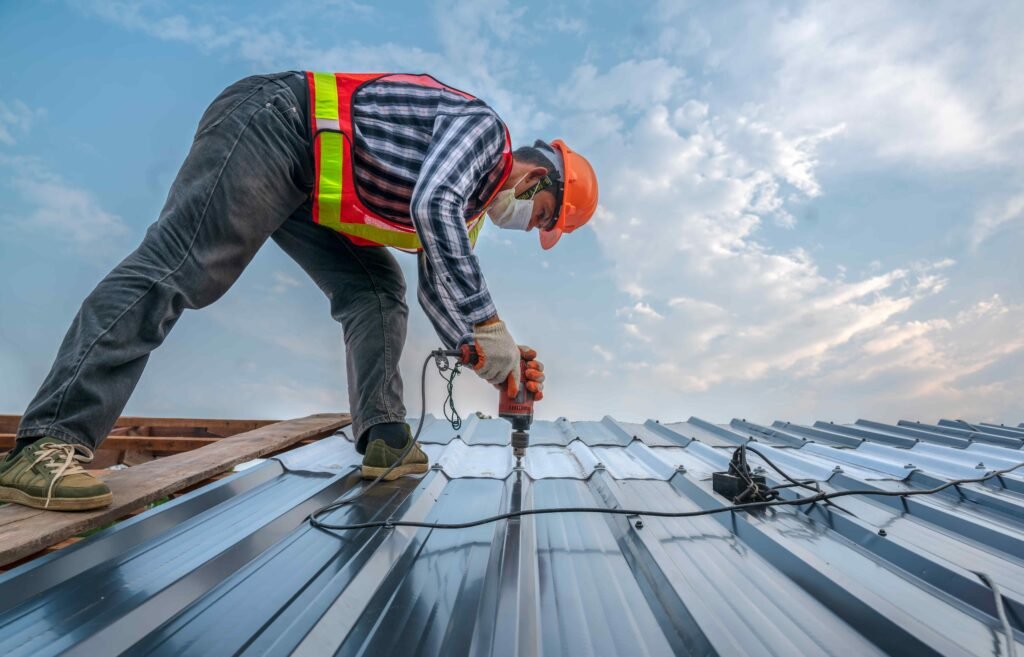
Roofing is one of the most essential parts of any building. It protects homes, offices, warehouses, and factories from weather, sunlight, rain, and snow. Behind every strong and reliable roof is a manufacturing process that begins inside a roof making factory. Across the United States, roof manufacturing factories play a crucial role in producing the materials that keep millions of buildings safe and durable. These factories combine advanced machinery, skilled workers, and strict quality standards to produce roofing materials used across the country and around the world.
The Importance of Roof Manufacturing in America
The construction industry in the United States depends heavily on roofing materials. Every year, thousands of new homes, commercial buildings, and industrial facilities are built, and each one requires a strong roof. Roof making factories supply materials such as asphalt shingles, metal roofing sheets, clay tiles, and synthetic roofing systems.
These factories are not just production facilities; they are an important part of the construction supply chain. Builders, contractors, and developers rely on roofing manufacturers to deliver materials that are strong, weather-resistant, and long-lasting. Without these factories, large-scale construction projects would face major delays.
Roof manufacturing also supports the economy by providing jobs for engineers, technicians, machine operators, and quality inspectors. Many factories are located in industrial regions where manufacturing has been part of the local economy for decades.
Types of Roofing Materials Produced
Roof making factories in America produce a wide range of materials designed for different climates, budgets, and building styles. Each material has its own advantages and manufacturing process.
Asphalt shingles are the most common roofing material used in American homes. They are affordable, easy to install, and available in many colors and designs. Factories produce them by combining fiberglass mats with asphalt and protective mineral granules.
Metal roofing has become increasingly popular in recent years. Metal roofs are strong, long-lasting, and energy efficient. Factories produce metal roofing panels using aluminum, steel, or copper sheets that are shaped, coated, and cut using precision machines.
Clay and concrete tiles are often used in warmer climates. These tiles are durable and provide excellent insulation against heat. Manufacturing them involves molding the material into shapes and baking them at high temperatures.
Synthetic roofing materials are a modern innovation. These products are designed to imitate natural materials such as slate or wood while being lighter and more durable.
How a Roof Making Factory Works
Inside a roof making factory, the manufacturing process is carefully organized to ensure efficiency and quality. The process usually begins with the delivery of raw materials such as asphalt, steel coils, fiberglass mats, or clay.
These materials are then processed through specialized machines. For example, asphalt shingle production involves coating fiberglass sheets with asphalt and pressing mineral granules onto the surface. The sheets are then cut into uniform shingle shapes.
In metal roofing factories, large steel or aluminum coils are fed into roll-forming machines. These machines shape the metal into roofing panels with specific ridges and patterns designed to improve strength and water drainage.
After production, each roofing product goes through strict quality inspections. Manufacturers test materials for durability, weather resistance, and structural performance before packaging them for shipping.
Finally, the finished products are packaged and transported to distribution centers, hardware stores, and construction companies across the country.
Technology and Innovation in Roofing Factories
Modern American roof making factories rely heavily on technology to improve productivity and product quality. Automated production lines allow factories to produce large quantities of roofing materials while maintaining consistent standards.
Computer-controlled machines ensure that every shingle or panel is cut with precision. Advanced coating technologies help improve weather resistance, UV protection, and color durability.
Some factories also use digital monitoring systems to track production efficiency and reduce material waste. These innovations help manufacturers lower costs while maintaining high product quality.
Research and development teams within roofing companies continuously work to create stronger, lighter, and more energy-efficient roofing materials. This focus on innovation helps the industry keep up with modern building requirements.
Environmental Responsibility
Environmental sustainability has become an important priority for many roof manufacturing companies in America. Factories are adopting new practices to reduce waste and energy consumption.
Recycling is a key part of the roofing industry. Many asphalt shingles can now be recycled and used in road construction. Metal roofing materials are also highly recyclable, making them an environmentally friendly option.
Manufacturers are also developing roofing products that improve energy efficiency. For example, reflective roofing materials help reduce heat absorption, keeping buildings cooler and lowering energy costs.
In addition, some factories are investing in cleaner production technologies that reduce emissions and minimize environmental impact.
Challenges Facing the Industry
Despite its importance, the roof manufacturing industry faces several challenges. Rising raw material costs, supply chain disruptions, and labor shortages can affect production and pricing.
Weather events such as hurricanes and severe storms can also increase demand for roofing materials, creating pressure on factories to produce more products in a short period of time.
At the same time, manufacturers must meet strict safety and environmental regulations. Maintaining high standards while remaining competitive requires constant investment in technology and training.
The Future of Roof Manufacturing in America
The future of roof making factories in America looks promising. As cities grow and infrastructure expands, the demand for reliable roofing materials will continue to rise.
New innovations such as solar roofing panels, advanced insulation systems, and smart roofing technology are expected to transform the industry. Factories are already exploring ways to integrate renewable energy solutions directly into roofing materials.
With continued investment in technology, sustainability, and skilled workers, American roof manufacturing will remain a vital part of the construction industry for many years to come.
Conclusion
Roof making factories in America play a critical role in building and protecting the structures where people live and work. Through advanced manufacturing processes, skilled labor, and ongoing innovation, these factories produce the materials that make modern construction possible.
From traditional asphalt shingles to modern metal and synthetic roofing systems, the products made inside these factories help create stronger, safer, and more energy-efficient buildings. As technology continues to evolve, roof manufacturing will remain an essential industry supporting the growth and development of communities across the United States.