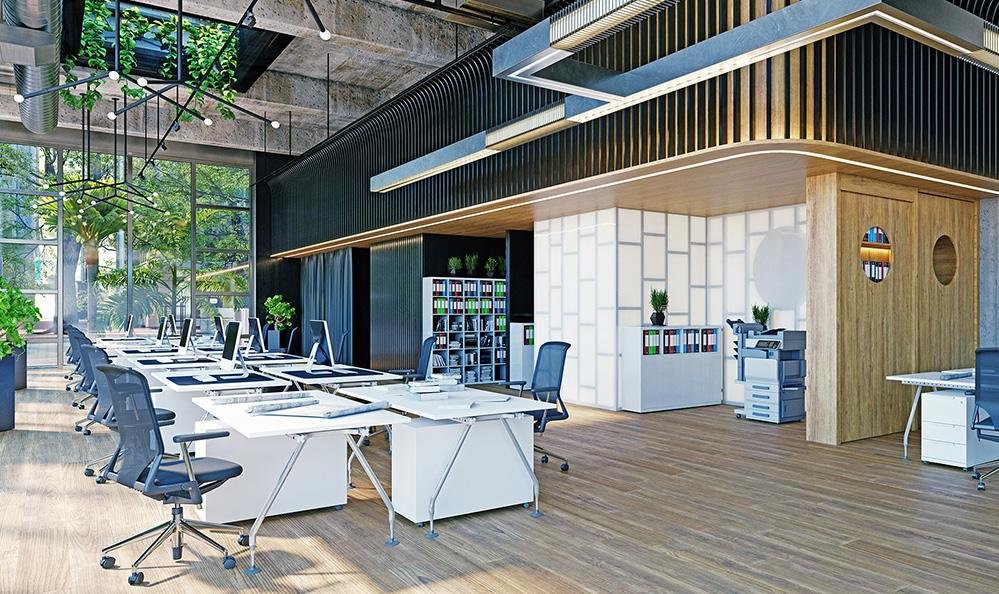
In today’s fast-paced world, the office is no longer just a place to work—it’s a hub for innovation, collaboration, and productivity. The Great Office concept embodies this transformation, creating workspaces that blend functionality, comfort, and style to meet the demands of modern professionals. Whether you’re a startup founder, a remote worker, or part of a large corporate team, understanding what makes a workspace “great” can transform not only employee satisfaction but also overall business performance.
What Makes an Office “Great”?
The term The Great Office goes beyond physical space. It encompasses the environment, culture, and tools that empower employees to perform at their best. Several key factors contribute to making an office truly great:
1. Ergonomic Design
Comfortable furniture and well-thought-out layouts are essential. Ergonomic chairs, adjustable desks, and adequate lighting reduce fatigue and enhance focus. A well-designed office prevents discomfort and encourages better posture, ultimately contributing to employee health and productivity.
2. Technology Integration
A great office leverages technology to streamline work. High-speed internet, smart conference systems, cloud storage, and collaborative tools like video conferencing software enable teams to work efficiently, whether in-person or remotely. Integrating technology into the workspace eliminates bottlenecks and supports smooth communication.
3. Collaborative Spaces
Modern work requires teamwork. Open areas with flexible seating arrangements, breakout rooms, and collaborative zones encourage brainstorming and spontaneous meetings. These spaces foster creativity and allow employees to share ideas in an informal, comfortable environment.
4. Quiet Zones
While collaboration is crucial, so is focus. Great offices include quiet zones or private workspaces where employees can concentrate without distractions. Balancing open collaboration areas with private zones ensures that different work styles and tasks are accommodated.
5. Aesthetic Appeal
A visually pleasing environment impacts mood and motivation. Natural light, greenery, artwork, and a clean, organized layout contribute to a positive atmosphere. A well-designed office inspires creativity and helps employees feel more connected to their workplace.
The Role of Culture in The Great Office
Beyond physical design, culture plays a pivotal role. The most effective offices foster a sense of community and shared purpose. A positive workplace culture promotes engagement, reduces turnover, and encourages professional growth. Elements that support culture include:
.Open Communication: Encouraging transparency and dialogue between management and employees.
.Recognition Programs: Celebrating achievements and milestones to motivate staff.
.Flexible Work Policies: Offering remote work options or flexible hours to support work-life balance.
When employees feel valued and supported, they’re more likely to thrive and contribute positively to the organization’s success.
Benefits of a Great Office
Investing in a great office is more than an aesthetic choice—it has tangible benefits for both employees and employers.
1. Increased Productivity
Comfortable, functional workspaces reduce distractions and allow employees to focus on their tasks. Technology-enabled environments streamline workflow, minimizing downtime.
2. Improved Employee Well-being
A workspace designed with health in mind, including ergonomic furniture, natural light, and quiet zones, reduces stress and prevents burnout. Healthy employees are happier, more engaged, and less likely to miss work.
3. Attracting Top Talent
Modern professionals prioritize work environments when choosing employers. A great office signals that a company values its employees, helping attract skilled talent in a competitive job market.
4. Enhanced Creativity and Innovation
Collaborative spaces, inspiring design, and open communication foster creative thinking. Employees feel empowered to contribute ideas, leading to innovative solutions and improved problem-solving.
Examples of The Great Office in Practice
Several companies have redefined the concept of a great office. Tech giants like Google and Apple are renowned for their innovative workspaces, featuring open collaboration zones, relaxation areas, and state-of-the-art technology. Startups and co-working spaces are also adopting similar strategies, creating flexible, employee-focused environments.
Co-working spaces like WeWork provide a great office experience for freelancers and small businesses, offering ergonomic furniture, high-speed internet, and networking opportunities—all within a well-designed, aesthetically pleasing environment. These spaces allow individuals to enjoy the benefits of a professional office without the overhead costs of traditional leases.
Designing Your Own Great Office
Creating a great office is achievable for businesses of all sizes. Key considerations include:
.Assess Employee Needs: Understand how your team works best—collaboratively, independently, or a mix.
.Prioritize Flexibility: Furniture and spaces should adapt to different tasks and preferences.
.Incorporate Technology: Equip the office with tools that enhance efficiency and collaboration.
.Foster Positive Culture: Encourage transparency, recognition, and wellness initiatives.
.Invest in Aesthetics: Natural light, plants, art, and color schemes can enhance mood and engagement.
Even small changes, such as adding ergonomic chairs or designating quiet work zones, can dramatically improve the overall office experience.
Conclusion
The Great Office is more than a workspace—it’s a reflection of a company’s values, culture, and commitment to its employees. By combining ergonomic design, technology, collaborative spaces, and a positive culture, organizations can create an environment where employees thrive.
In today’s competitive business landscape, investing in a great office is not a luxury; it’s a strategic advantage. Employees are the backbone of any company, and providing them with a functional, comfortable, and inspiring environment leads to better productivity, creativity, and satisfaction. Whether you’re redesigning an existing office or setting up a new one, focusing on what makes an office “great” ensures long-term success for both employees and the organization as a whole.
A truly great office is not just about desks and chairs—it’s about creating a space where people want to work, collaborate, and grow together. With thoughtful design and a people-first approach, any workplace can evolve into The Great Office.