The global oil industry depends heavily on maritime transportation. Every day, hundreds of oil tankers travel across oceans carrying crude oil and refined petroleum products from producing countries to markets around the world. These massive ships are the backbone of international energy supply. However, in recent years, reports of missing oil tankers have raised serious concerns within the shipping industry and among global security experts.
A missing oil tanker is not just a maritime mystery; it can signal deeper problems such as illegal trade, piracy, sanctions evasion, or navigational accidents. When a tanker disappears from tracking systems or loses contact with authorities, it can disrupt energy supply chains and create political tension between nations.
What Does “Missing Oil Tanker” Mean?
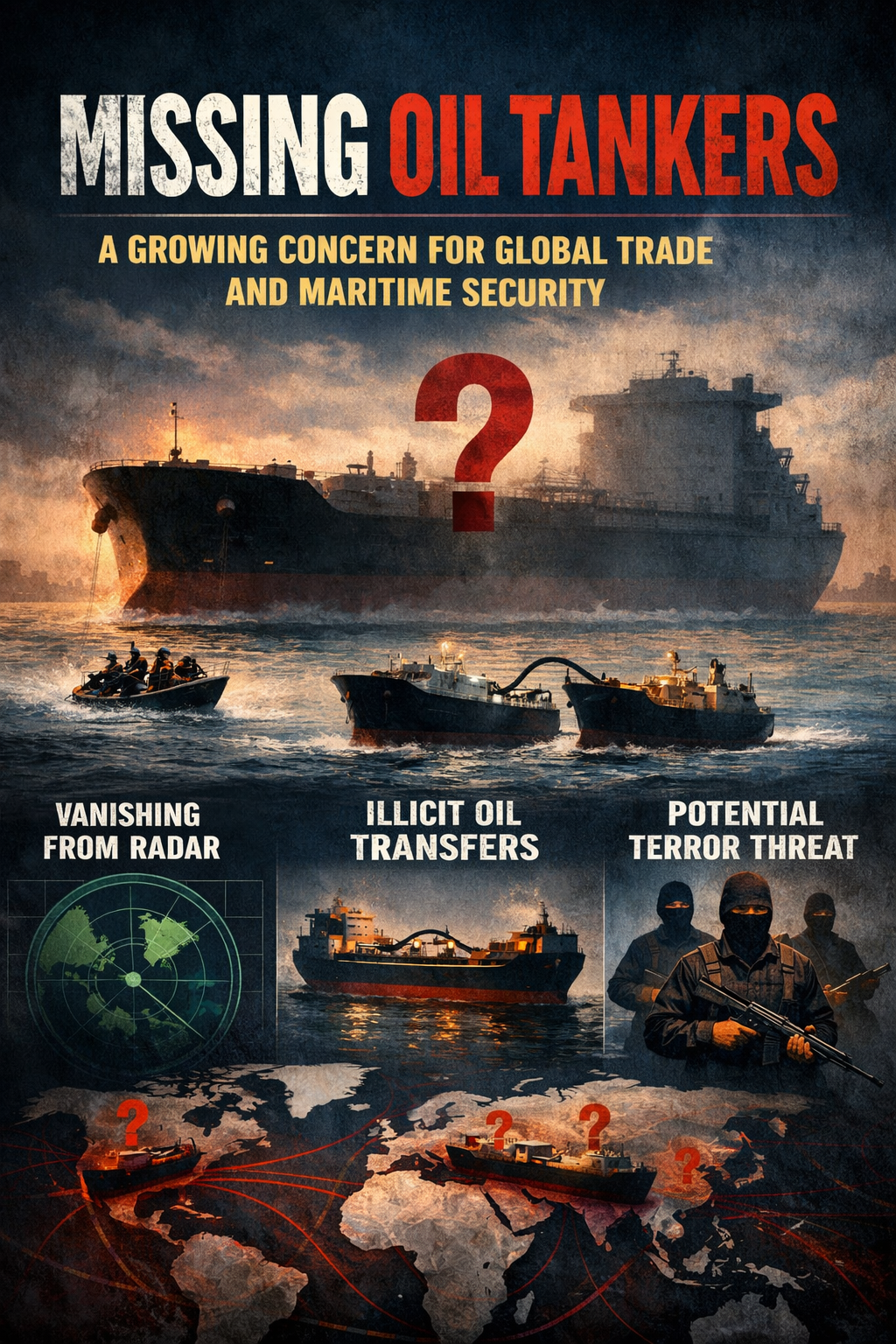
The term “missing oil tanker” does not always mean that a ship has vanished completely. In many cases, it refers to tankers that suddenly stop transmitting their location through tracking systems such as AIS (Automatic Identification System). These systems are designed to allow ships to share their position, speed, and route with maritime authorities and nearby vessels.
When a tanker turns off its tracking signal or changes course unexpectedly, it can raise alarms. Authorities and shipping companies begin investigations to determine whether the ship is involved in illegal activities or experiencing technical problems.
In some situations, ships disappear from monitoring systems for days or weeks before reappearing in another region, often raising questions about what happened during that period.
Possible Reasons Behind Missing Oil Tankers
Several factors can cause oil tankers to go missing or temporarily disappear from monitoring systems.
1. Sanctions Evasion
One of the most common reasons involves countries attempting to bypass international sanctions. Certain nations facing restrictions on oil exports may use secret shipping methods to continue selling oil. Tankers may turn off tracking systems, change ship names, or transfer oil between vessels at sea to hide the origin of the cargo.
These practices make it difficult for regulators to trace oil shipments and enforce global trade rules.
2. Piracy and Maritime Crime
In some parts of the world, piracy remains a serious threat. Regions such as the Gulf of Guinea and parts of Southeast Asia have experienced attacks on commercial ships, including oil tankers.
Pirates may hijack vessels to steal cargo or demand ransom from shipping companies. Although international naval patrols have reduced piracy in many areas, the threat has not disappeared entirely.
3. Ship-to-Ship Transfers
Another common practice involves ship-to-ship transfers at sea. This occurs when oil is moved from one tanker to another while both vessels are floating offshore. While this process can be legal in certain circumstances, it is sometimes used to disguise the true origin of oil cargo.
During these operations, ships may temporarily disable tracking signals, making them appear “missing” from global monitoring systems.
4. Technical Failures
Not every disappearance involves illegal activity. Sometimes, equipment failures can cause ships to lose communication with tracking systems. Severe weather conditions, electrical problems, or satellite signal issues may interrupt transmissions.
In such cases, the tanker usually reappears once systems are repaired or signals are restored.
Impact on Global Oil Markets
When oil tankers go missing, it can affect the stability of global energy markets. Oil is one of the most traded commodities in the world, and even small disruptions in supply can influence prices.
Traders rely on shipping data to estimate how much oil is moving between regions. If several tankers disappear from tracking systems at the same time, it becomes harder to predict supply levels. This uncertainty can cause price fluctuations in international oil markets.
Additionally, governments and regulators closely monitor tanker movements to enforce sanctions and ensure fair trade practices. Missing vessels complicate these efforts and may weaken the effectiveness of international policies.
Environmental Risks
Another major concern related to missing oil tankers is environmental safety. Oil tankers carry enormous amounts of fuel, and accidents at sea can lead to catastrophic oil spills.
If a tanker experiences mechanical failure or collision while out of contact with authorities, the consequences could be severe. Oil spills can damage marine ecosystems, harm wildlife, and affect coastal communities that rely on fishing and tourism.
Because of these risks, maritime authorities around the world emphasize strict monitoring and safety standards for tanker operations.
Efforts to Improve Maritime Monitoring
To address the issue of missing oil tankers, governments and international organizations are strengthening maritime monitoring systems. Satellite technology now allows analysts to track ships even when AIS signals are turned off.
Companies also use advanced data analysis to detect suspicious patterns in shipping routes. For example, sudden course changes, unusual stops at sea, or extended signal gaps may trigger further investigation.
International cooperation is also important. Maritime security agencies share information with each other to track vessels involved in suspicious activities and prevent illegal oil trading.
The Future of Oil Shipping Transparency
As global trade continues to evolve, transparency in oil shipping is becoming more important than ever. Technology is improving the ability of authorities to monitor vessels and detect unusual behavior on the oceans.
However, challenges remain. The vast size of the world’s oceans and the complexity of international shipping networks make complete monitoring difficult. Some operators continue to find creative ways to hide cargo movements and avoid regulations.
Despite these challenges, the shipping industry is moving toward greater accountability. Stronger regulations, better technology, and increased cooperation between nations are helping reduce the number of unexplained tanker disappearances.
Conclusion
Missing oil tankers represent a serious concern for global trade, energy security, and environmental protection. Whether caused by sanctions evasion, piracy, technical failures, or secret cargo transfers, these incidents highlight the challenges of monitoring international shipping.
As the world becomes more connected and dependent on energy resources, maintaining transparency in maritime trade will remain essential. Through improved technology and stronger international collaboration, the global community continues working to ensure that the movement of oil across the oceans remains safe, legal, and accountable.