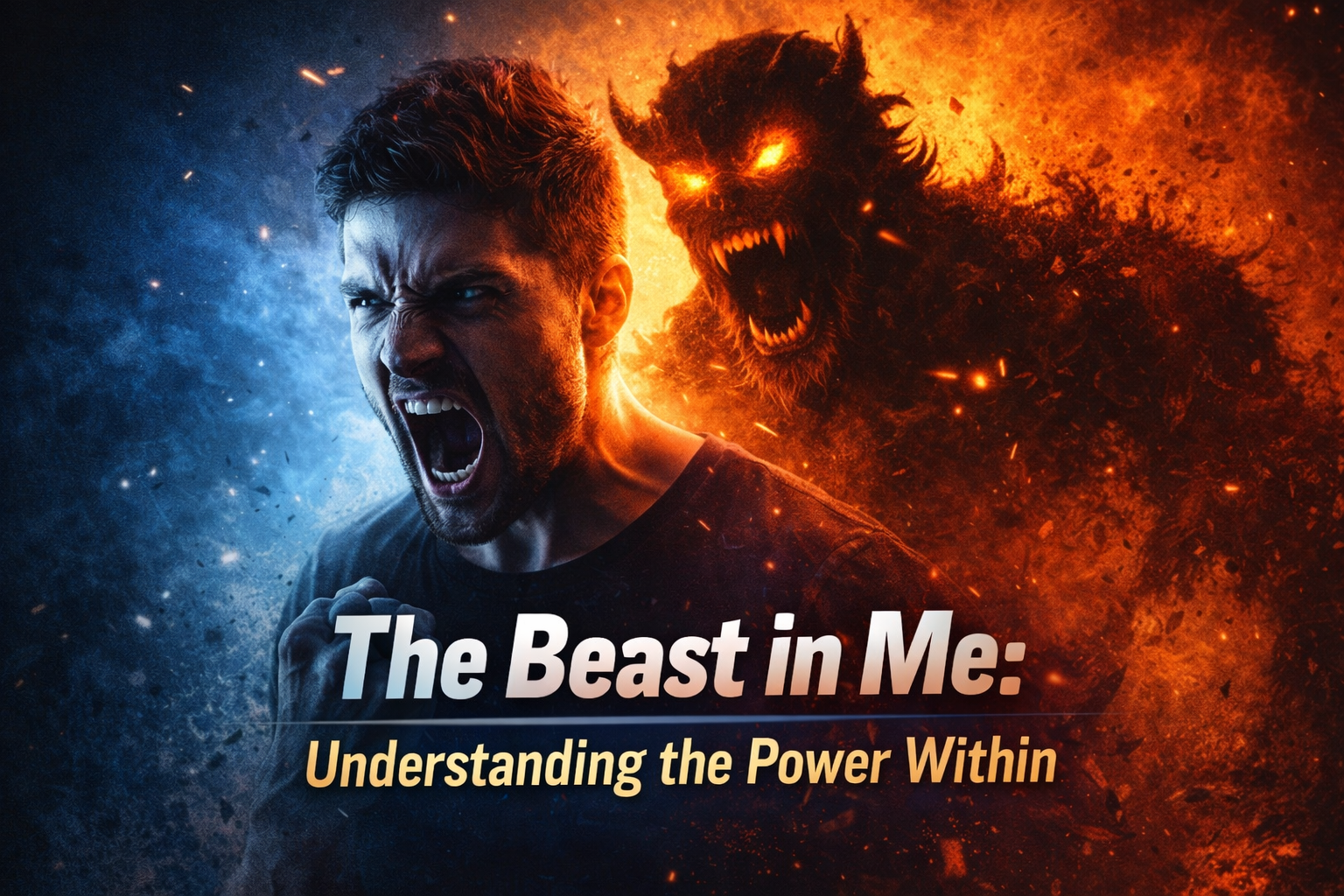
The phrase “the beast in me” often describes a hidden force inside every human being. It represents powerful emotions, instincts, and impulses that sometimes remain beneath the surface but can emerge during moments of stress, anger, ambition, or survival. While the phrase may sound dramatic, it reflects a very real aspect of human psychology—the struggle between our civilized behavior and our primal instincts.
Throughout history, writers, philosophers, and psychologists have explored this inner conflict. The idea that every person carries both light and darkness within themselves is not new. In fact, it has been a central theme in literature, music, and storytelling for centuries.
The Meaning Behind “The Beast in Me”
At its core, the beast in me symbolizes the raw, untamed part of human nature. It can represent anger, jealousy, greed, or even intense ambition. These emotions are natural, but when left unchecked, they can lead to destructive behavior.
However, the “beast” is not always negative. Sometimes it represents courage, determination, and survival instincts. In difficult situations, the same inner force that fuels anger can also provide strength and resilience.
For example, athletes often talk about unlocking their “beast mode” during competitions. This doesn’t mean losing control; instead, it means channeling inner power and focus to perform at the highest level.
Psychological Perspective
From a psychological standpoint, the idea of the beast in me connects closely with human instincts and unconscious drives. The famous psychoanalyst Sigmund Freud described a similar concept through the “id,” which represents the primitive and instinctive part of the human mind.
According to Freud’s theory, the human mind consists of three parts:
. Id – our basic instincts and desires
. Ego – the rational part that makes decisions
. Superego – the moral compass shaped by society and culture
The “beast” can be compared to the id, constantly pushing for immediate satisfaction and emotional expression. Meanwhile, the ego and superego work to control these impulses and maintain balance.
This internal struggle explains why people sometimes feel torn between what they want to do and what they know is right.
The Beast in Literature and Culture
The theme of the hidden beast inside humans appears frequently in literature and art. One of the most famous examples is Strange Case of Dr Jekyll and Mr Hyde, written by Robert Louis Stevenson.
In this story, Dr. Jekyll creates a potion that transforms him into the monstrous Mr. Hyde, symbolizing the darker side of human nature. The novel illustrates how suppressing inner desires without understanding them can lead to dangerous consequences.
Similarly, many modern films and songs explore the same theme, portraying characters who struggle to control their inner darkness.
Emotional Triggers That Awaken the Beast
Certain situations can awaken the “beast” inside a person. These triggers often involve intense emotions or extreme circumstances.
Common triggers include:
. Anger or frustration
. Fear or survival situations
. Competition and ambition
. Feelings of betrayal or injustice
When these emotions become overwhelming, people may react in ways they normally wouldn’t. This is why emotional awareness and self-control are important skills for personal growth.
Recognizing the beast within does not mean accepting destructive behavior. Instead, it allows individuals to understand their emotions and manage them more effectively.
Controlling the Beast Within
The key to living a balanced life is not suppressing the beast but learning how to control it. Emotional intelligence, discipline, and self-awareness help transform raw impulses into positive energy.
Some effective ways to manage inner struggles include:
Self-reflection: Taking time to understand emotions and reactions.
Mindfulness: Practicing awareness of thoughts and feelings.
Physical activity: Sports and exercise can release built-up tension.
Creative expression: Writing, art, and music often provide healthy outlets for intense emotions.
When used constructively, the same energy that fuels anger can be transformed into motivation, determination, and creativity.
The Positive Side of the Beast
Although the phrase may sound dark, the beast inside us can also be a source of strength. Many successful individuals describe moments when they tapped into deep reserves of determination to overcome obstacles.
In challenging times, this inner force can push people to fight harder, think faster, and refuse to give up. It is the part of human nature that drives survival, resilience, and ambition.
Without this instinctive energy, humans might lack the courage to face danger or the passion to pursue great achievements.
Embracing Balance
The true challenge is learning to balance the beast with wisdom and self-control. Completely denying our emotions can lead to frustration, while allowing them to dominate can cause harm.
Healthy self-awareness allows people to acknowledge their inner struggles without being controlled by them.
Understanding the beast in me ultimately means recognizing the full complexity of human nature. Everyone carries both calmness and chaos, kindness and anger, discipline and desire.
By learning to manage these forces wisely, individuals can transform their inner beast from a destructive power into a source of strength and growth.
In the end, the beast is not something to fear—it is simply a reminder of the powerful human spirit that lies within us all.