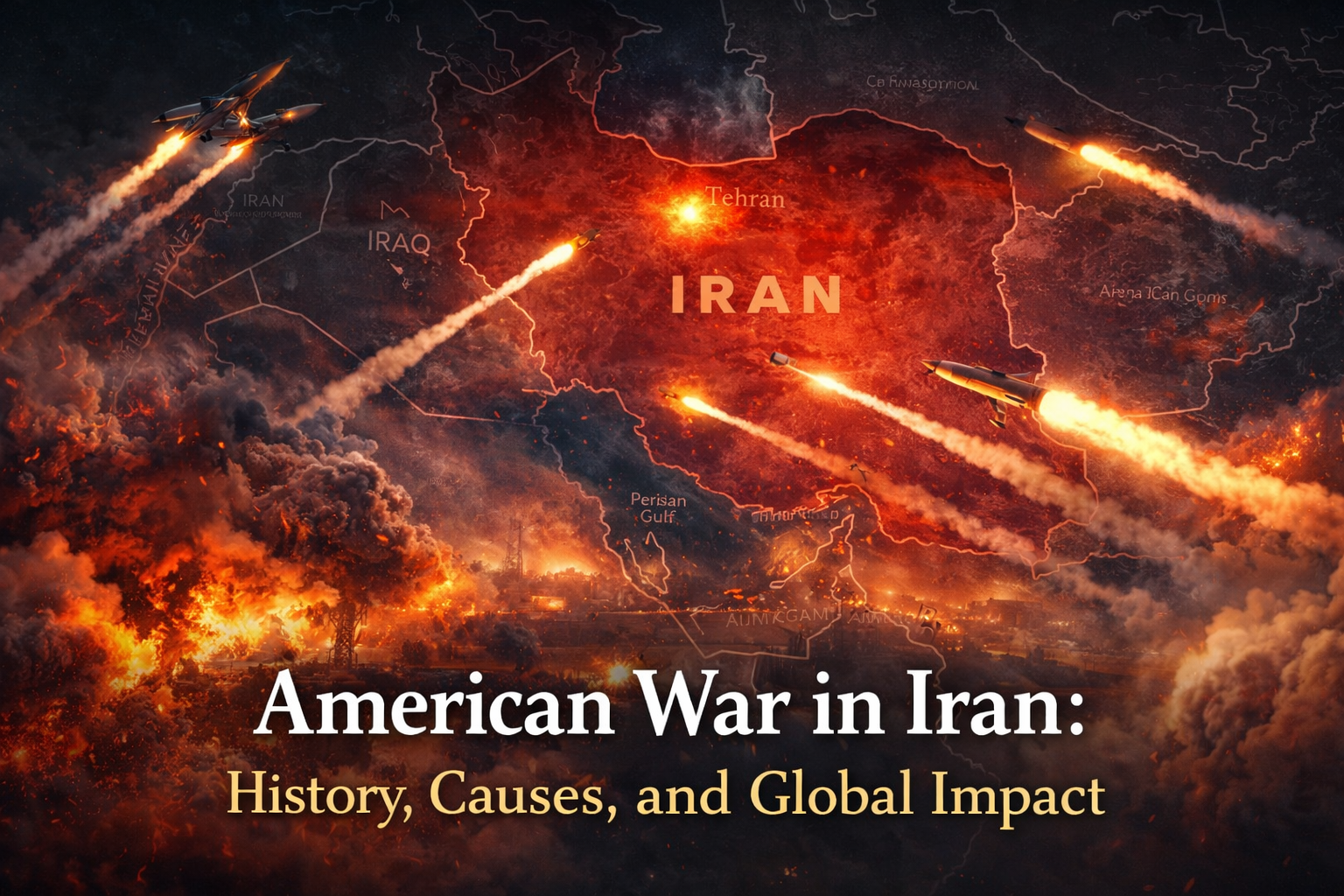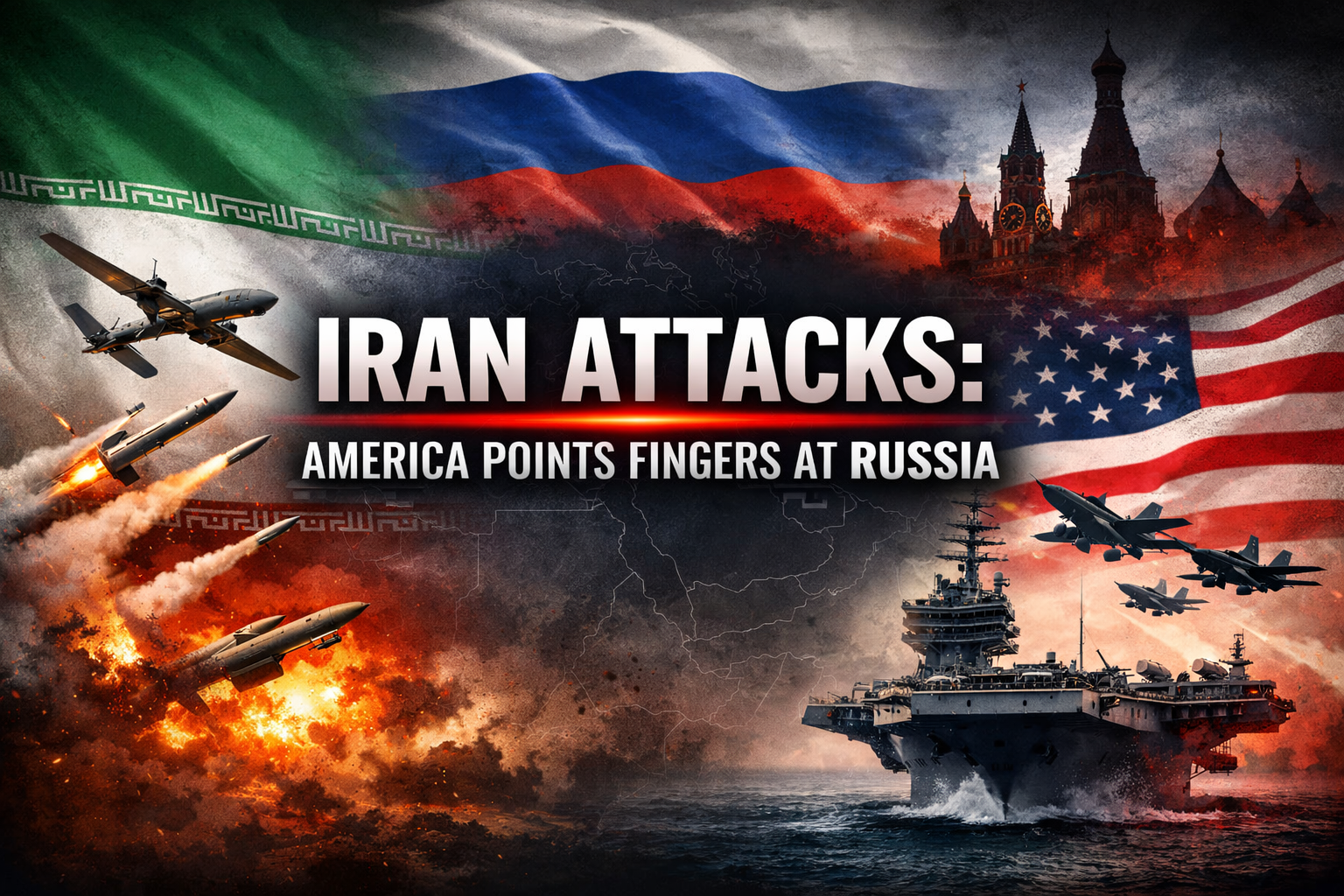
Tensions in the Middle East have intensified dramatically after a series of Iranian attacks on American positions and interests in the region. The United States has accused Iran of carrying out drone and missile strikes on its military facilities, while simultaneously suggesting that Russia may be indirectly involved in supporting Tehran. This situation has raised fears of a wider geopolitical confrontation that could involve several major global powers.
Rising Tensions Between Iran and the United States
The relationship between the United States and Iran has been tense for decades. Political disagreements, economic sanctions, and military confrontations have repeatedly pushed the two countries to the brink of conflict. Recent attacks on American military bases and facilities in the Middle East have once again brought the rivalry into the global spotlight.
According to U.S. officials, Iranian forces and allied groups have launched multiple drone and missile attacks targeting American troops and military infrastructure. Some of these strikes have reportedly caused casualties among U.S. personnel and damage to key facilities in the region. These incidents have heightened concerns in Washington about Iran’s growing military capabilities and willingness to challenge American power.
The United States government has strongly condemned the attacks, calling them a direct threat to regional stability and international security. American officials have warned that such actions could lead to a strong military response if they continue.
Allegations of Russian Involvement
One of the most controversial developments in the current crisis is the claim that Russia may be assisting Iran in targeting American forces. U.S. intelligence officials believe that Russia has shared sensitive information about the locations of American warships and aircraft operating in the Middle East.
If these allegations are confirmed, it would mark a serious escalation in global tensions. Russia and the United States are already geopolitical rivals, and any direct or indirect cooperation between Moscow and Tehran against American forces could deepen the divide between major world powers.
American officials argue that such intelligence sharing would enable Iran to carry out more accurate and effective attacks on U.S. assets in the region. This has led to growing concerns that the conflict could expand beyond the Middle East and become part of a broader global confrontation.
Russia’s Response to the Accusations
Russia has publicly denied involvement in attacks against the United States. Moscow has instead criticized American military actions in the region and called for diplomacy and negotiations to resolve the crisis.
Russian officials have also condemned previous U.S. strikes on Iranian targets, describing them as violations of international law and warning that such actions could destabilize the region further.
The Kremlin has repeatedly urged both sides to reduce tensions and return to diplomatic dialogue. However, skepticism remains in Washington about Russia’s intentions, particularly given the growing cooperation between Russia and Iran in recent years.
Iran’s Strategic Position
Iran has long viewed the presence of American forces in the Middle East as a threat to its national security. Iranian leaders have often criticized U.S. military bases in nearby countries and have supported regional groups that oppose American influence.
Tehran argues that its actions are defensive and intended to protect its sovereignty and interests. Iranian officials also claim that American military operations and sanctions have forced the country to strengthen its defense capabilities.
However, critics say Iran’s strategy relies heavily on proxy groups and unconventional warfare, including drone attacks and missile strikes. These tactics allow Tehran to challenge its adversaries without engaging in full-scale conventional warfare.
Regional and Global Implications
The conflict between Iran and the United States does not exist in isolation. Several countries in the Middle East host American military bases, and any escalation could quickly spread across the region.
Countries such as Israel, Saudi Arabia, and the Gulf states closely monitor the situation because they could become directly involved if tensions continue to rise. Additionally, global powers like Russia and China have strategic interests in the region, which further complicates the situation.
Analysts warn that the involvement of multiple powerful nations could transform a regional conflict into a broader international crisis. Military escalation would not only threaten lives but also disrupt global trade, energy markets, and diplomatic relations.
The Risk of a Wider Conflict
One of the greatest concerns among international observers is the possibility that the conflict could spiral into a larger war. The presence of advanced weapons systems, long-range missiles, and military alliances increases the risk of miscalculation.
Even a single incident—such as a successful attack on a major military base or the sinking of a warship—could trigger a chain reaction leading to a much larger confrontation. Diplomats and world leaders have therefore urged all sides to exercise restraint.
The Need for Diplomacy
Despite the rising tensions, many experts believe that diplomacy remains the best solution. Negotiations between the United States, Iran, and other global powers have taken place in the past regarding Iran’s nuclear program and regional security issues.
Although progress has often been slow, diplomatic engagement can still play a crucial role in preventing further escalation. International organizations and global leaders continue to encourage dialogue as the only sustainable path toward stability.
Conclusion
The latest Iranian attacks and the accusations of Russian involvement have created a complex and dangerous geopolitical situation. While the United States blames Iran for the attacks and suspects Russian support behind the scenes, both Tehran and Moscow reject these claims.
What is clear is that the situation remains extremely fragile. Any miscalculation or escalation could have serious consequences not only for the Middle East but also for global security. As tensions continue to rise, the world watches closely, hoping that diplomacy will prevail before the conflict grows into something far more destructive.