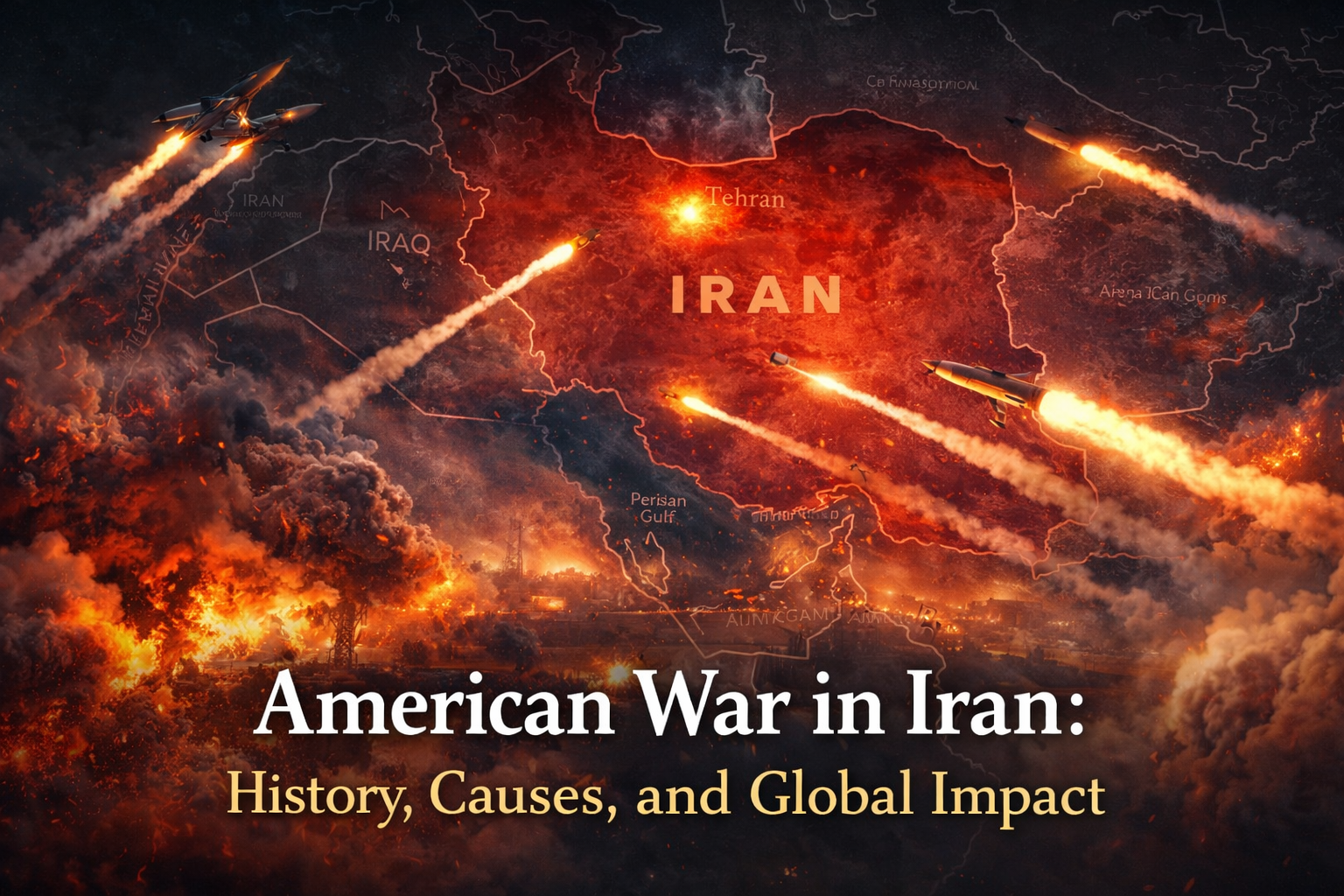
The phrase “American war in Iran” refers to the long-standing conflict and military tensions between the United States and Iran. Although there has not always been a full-scale traditional war between the two countries, their relationship has included military operations, political confrontations, sanctions, and regional conflicts for decades. This ongoing rivalry has played a major role in shaping Middle Eastern politics and global security.
Understanding the American war in Iran requires looking at the history of relations between the two nations, the reasons behind their conflict, and the consequences that these tensions have created for the world.
Historical Background of U.S.–Iran Relations
Before 1979, the United States and Iran were actually close allies. Iran was ruled by Shah Mohammad Reza Pahlavi, who maintained strong political and military ties with the United States. However, everything changed during the Iranian Revolution of 1979, when the Shah was overthrown and a new Islamic government led by Ayatollah Ruhollah Khomeini came to power.
The revolution transformed Iran’s foreign policy and created deep hostility toward the United States. Later that same year, Iranian students seized the U.S. embassy in Tehran and took 52 American diplomats hostage, starting a major international crisis.
This event severely damaged relations between the two countries and marked the beginning of decades of political and military tensions.
Early Military Confrontations
Although the United States never launched a full invasion of Iran, there have been several military confrontations over the years. During the Iran–Iraq War (1980–1988), the United States indirectly supported Iraq in order to limit Iran’s regional influence.
One notable incident occurred in 1987 during Operation Nimble Archer, when the U.S. Navy attacked Iranian oil platforms in the Persian Gulf after Iran targeted shipping vessels.
These confrontations demonstrated how the conflict between the two nations extended beyond diplomacy and occasionally turned into direct military action.
Rising Tensions in the 21st Century
In the early 2000s, tensions increased again due to concerns about Iran’s nuclear program. The United States and several Western countries believed Iran was developing nuclear weapons, while Iran insisted that its program was for peaceful energy purposes.
Because of these concerns, the United States imposed strong economic sanctions on Iran. These sanctions significantly affected Iran’s economy and increased hostility between the two countries.
At the same time, both countries became involved in proxy conflicts across the Middle East, particularly in countries like Iraq, Syria, and Yemen. These indirect conflicts are often described as part of the broader American war in Iran, even though they occurred outside Iranian territory.
Direct Military Escalation
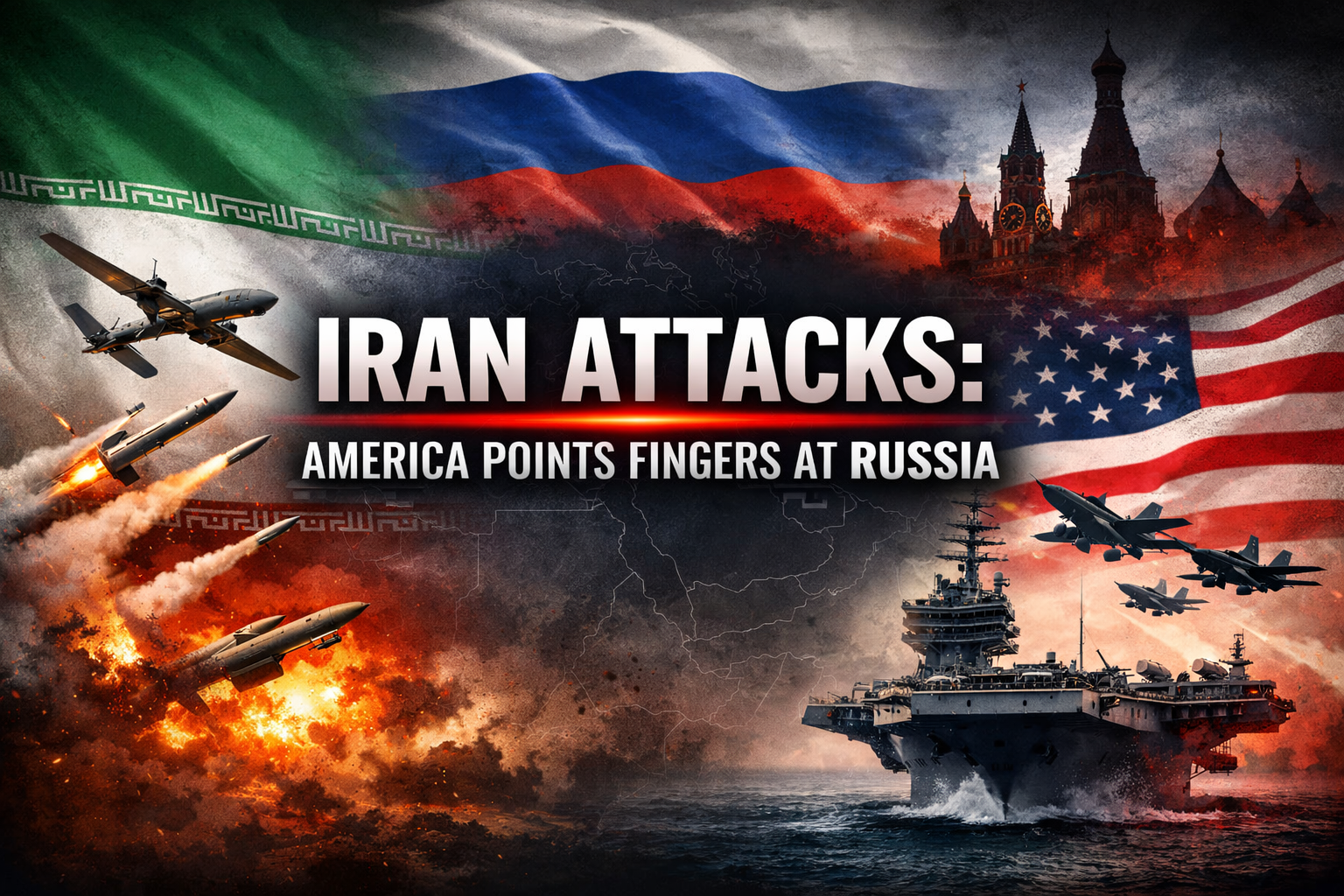
In recent years, tensions escalated further. In June 2025, the United States launched airstrikes on major Iranian nuclear facilities, including Fordow, Natanz, and Isfahan. The attacks used advanced military aircraft and bunker-buster bombs designed to destroy heavily fortified underground facilities.
These strikes marked one of the most significant direct military actions by the United States against Iranian territory in decades. Iran strongly condemned the attacks and warned of serious consequences.
The situation raised fears around the world that the conflict could grow into a larger regional war involving other Middle Eastern countries.
The Risk of a Larger War
The American war in Iran is particularly dangerous because both countries have strong military capabilities and regional influence. Iran has powerful missile forces and allied groups across the Middle East, while the United States has one of the most advanced militaries in the world.
In 2026, military tensions increased again as the United States deployed additional aircraft carriers and military forces to the region. Analysts described the buildup as one of the largest American deployments in the Middle East since the Iraq War.
Such actions demonstrate how quickly tensions could escalate if diplomacy fails.
Impact on the Middle East and the World
The conflict between the United States and Iran has affected many countries in the Middle East. Regional instability, military alliances, and economic sanctions have influenced politics in nations such as Iraq, Syria, Lebanon, and Yemen.
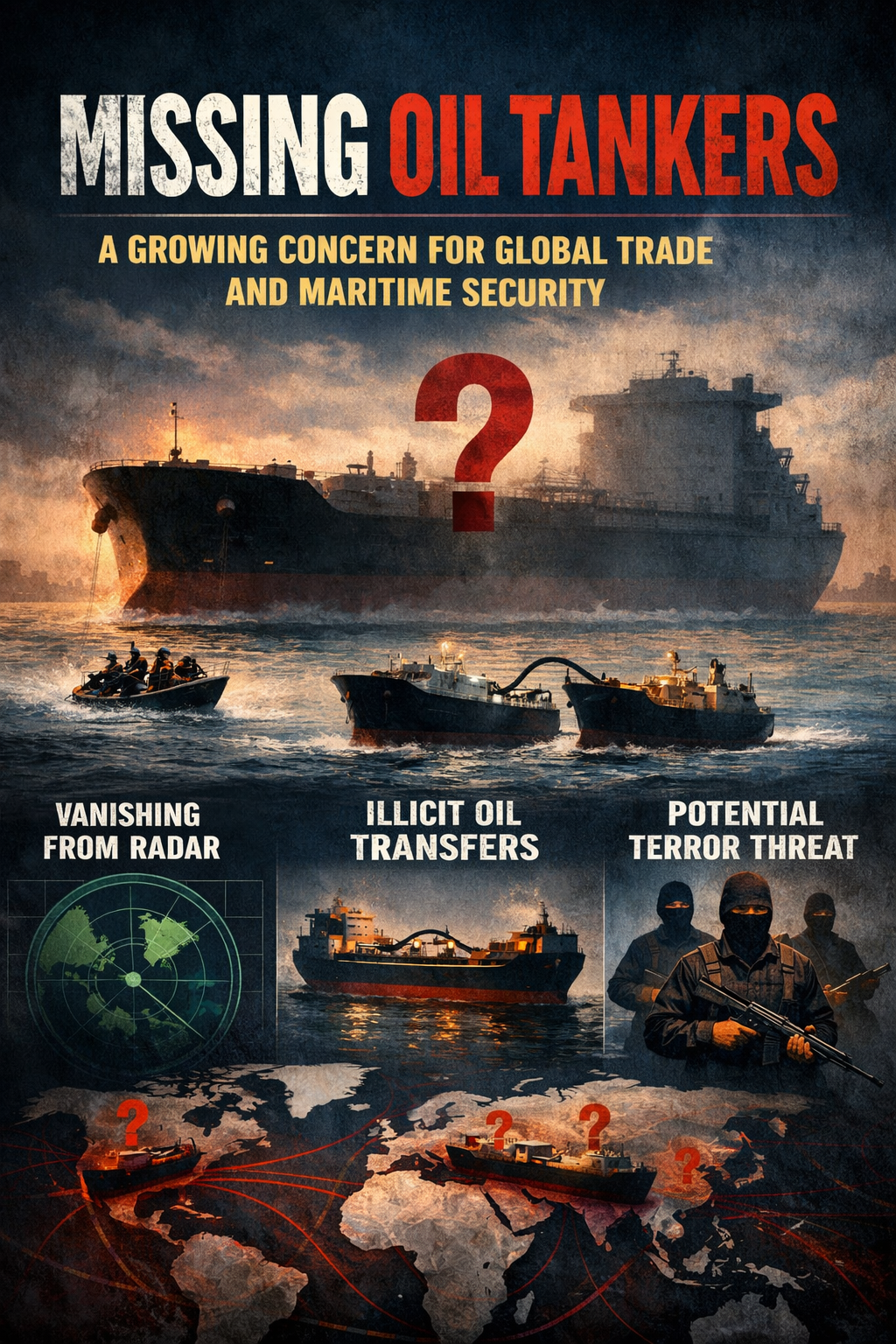
Global energy markets are also affected because Iran is located near the Strait of Hormuz, one of the most important oil shipping routes in the world. Any conflict in this region can disrupt global oil supplies and increase energy prices worldwide.
Additionally, the rivalry has shaped international diplomacy, with countries like Russia, China, and European nations often involved in negotiations aimed at reducing tensions.
The Importance of Diplomacy
Despite years of hostility, many global leaders believe diplomacy remains the best solution to avoid a major war. Several international agreements and negotiations have attempted to limit Iran’s nuclear activities and reduce military tensions.
While these agreements have had mixed success, they demonstrate that peaceful solutions are still possible.
The American war in Iran is not only a military issue but also a political and diplomatic challenge that affects global stability.
Conclusion
The American war in Iran represents one of the most complex geopolitical conflicts of modern times. From the 1979 revolution and hostage crisis to modern nuclear tensions and military strikes, the relationship between the United States and Iran has been marked by mistrust and confrontation.
Although the two countries have avoided a full-scale war so far, their rivalry continues to influence global politics and security. The future of this conflict will likely depend on diplomatic efforts, international cooperation, and the willingness of both sides to pursue peaceful solutions rather than military escalation.