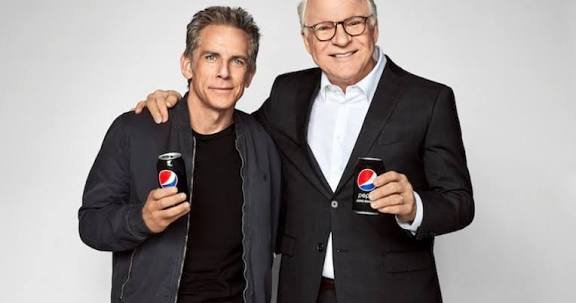
When we talk about the world’s most recognized beverage companies, Pepsi brands always come to mind. Over the decades, Pepsi has built a powerful presence across the globe, not just through one soft drink but through a wide portfolio of products that cater to different tastes, cultures, and lifestyles. From carbonated drinks to snacks and healthy alternatives, Pepsi brands have successfully evolved with changing consumer preferences.
The Beginning of Pepsi
The story of Pepsi started in 1893 when a pharmacist named Caleb Bradham created a refreshing drink in North Carolina. Originally called “Brad’s Drink,” it was later renamed Pepsi-Cola in 1898. The name reflected the drink’s digestive qualities and cola flavor. Over time, Pepsi grew into one of the strongest competitors in the global beverage industry.
Today, Pepsi is owned by PepsiCo, one of the largest food and beverage corporations in the world. PepsiCo manages hundreds of products under its umbrella, making Pepsi brands more than just a soda company.
Popular Soft Drink Pepsi Brands
The core strength of Pepsi brands lies in their beverage lineup. The flagship product, Pepsi, is known for its bold taste and youthful marketing. Over the years, Pepsi has introduced variations like Diet Pepsi and Pepsi Zero Sugar to meet the demand for low-calorie options.
Another globally recognized drink under Pepsi brands is Mountain Dew. Known for its energetic image and bright flavor, Mountain Dew has a strong fan base among younger consumers. It is often associated with gaming, extreme sports, and adventure culture.
7UP is also part of Pepsi’s beverage family in many international markets. With its crisp and refreshing lemon-lime flavor, it competes directly with other clear sodas and remains popular in hot climates.
Beyond Soft Drinks: Expanding the Portfolio
One reason for the long-term success of Pepsi brands is diversification. PepsiCo understood early on that relying only on carbonated drinks would limit growth. As a result, it expanded into juices, sports drinks, bottled water, and snacks.
For example, Tropicana offers fruit-based beverages for health-conscious consumers. With growing awareness about nutrition, fruit juices became an essential part of the company’s portfolio.
In the sports drink category, Gatorade has dominated the market for years. It is widely used by athletes to stay hydrated and replenish electrolytes. This strategic expansion helped Pepsi brands capture customers beyond traditional soda drinkers.
Bottled water brands like Aquafina further strengthened Pepsi’s presence in markets where consumers prefer healthier hydration options.
Snack Brands Under PepsiCo
Many people are surprised to learn that Pepsi brands include some of the most famous snack products in the world. Through its Frito-Lay division, PepsiCo owns brands like Lay’s, Doritos, and Cheetos.
These snack brands complement Pepsi beverages perfectly. The combination of chips and soda has become a classic pairing in households, cinemas, and parties worldwide. This cross-category strategy allows Pepsi brands to dominate shelf space in supermarkets and convenience stores.
Marketing Strategy and Youth Appeal
One of the key reasons behind the popularity of Pepsi brands is smart marketing. Pepsi has always positioned itself as a youthful, energetic, and trendsetting brand. Over the years, it has collaborated with global celebrities, musicians, and athletes.
The long-standing rivalry between Pepsi and The Coca-Cola Company pushed both companies to create bold and creative campaigns. This competition helped Pepsi sharpen its branding and stay relevant in the market.
Pepsi’s advertisements often focus on music, sports, and pop culture. By connecting with young audiences, Pepsi brands maintain a strong emotional bond with consumers.
Global Presence and Local Adaptation
Pepsi brands are available in more than 200 countries worldwide. However, what makes Pepsi truly successful is its ability to adapt to local markets. In different regions, PepsiCo introduces flavors and packaging tailored to local tastes.
For example, in Asian markets, Pepsi often launches limited-edition flavors during festivals. In Middle Eastern and South Asian countries, Pepsi is heavily promoted during Ramadan and other cultural events. This localization strategy helps Pepsi brands remain competitive and culturally relevant.
Commitment to Sustainability
In recent years, Pepsi brands have also focused on sustainability and environmental responsibility. PepsiCo has pledged to reduce plastic waste, improve water efficiency, and lower carbon emissions. Many of its products now use recyclable packaging, and the company continues to invest in eco-friendly initiatives.
Consumers today care not only about taste but also about corporate responsibility. By addressing environmental concerns, Pepsi brands are positioning themselves as forward-thinking and socially responsible.
The Future of Pepsi Brands
The future of Pepsi brands looks promising. As consumer preferences shift toward healthier and more natural beverages, PepsiCo continues to innovate. From zero-sugar drinks to plant-based snacks, the company is constantly adapting to new trends.
Digital marketing, e-commerce growth, and global expansion will also play a major role in shaping the next chapter of Pepsi brands. With a strong legacy, diverse portfolio, and global reach, Pepsi is well-prepared to maintain its leadership in the food and beverage industry.
Conclusion
Pepsi brands are much more than just a cola drink. They represent a global empire of beverages and snacks that serve millions of people every day. Through innovation, smart marketing, diversification, and sustainability efforts, Pepsi has built a lasting impact on the global market. Whether it’s a refreshing soda, a sports drink, or a bag of chips, Pepsi brands continue to be a part of everyday life around the world.